Agriculture
Why NASA Supports Agriculture
Farmers and other agricultural producers need reliable, up-to-date information every day to take care of their land, crops, and animals. To help with this, NASA creates special technology and missions that observe farms and fields from space, the air, and the ground. This information is used by the United States and international partners to make farming more productive, keep markets stable, and improve food security around the world. (1)
How NASA Supports Agriculture
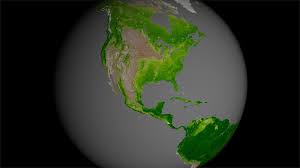
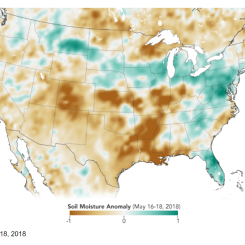
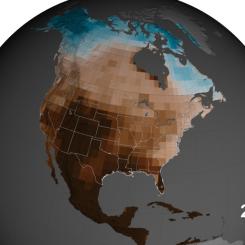
NASA's satellites track factors like land use, soil moisture, and vegetation health that help make agricultural decisions and improve crop production. In addition to land use data, weather data from NASA satellites track rainfall, droughts, and severe weather events, helping to determine growing conditions and assess threats to crop production. (2)
The NASA Earth Action Agriculture program area promotes the use of Earth observations to strengthen food production, support market stability, and protect human livelihoods. Together with partners in the United States and around the world, the Agriculture Program helps bolster food security, improve agricultural resilience, and reduce market price volatility.
NASA’s Agriculture Program has two consortia. Acres applies satellite data solutions to the most pressing challenges facing U.S. agriculture. Harvest leverages satellite data for global food security. (3)
Contributing to Cropland Data
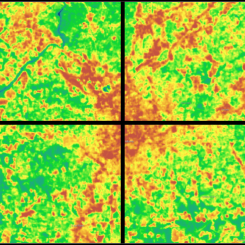
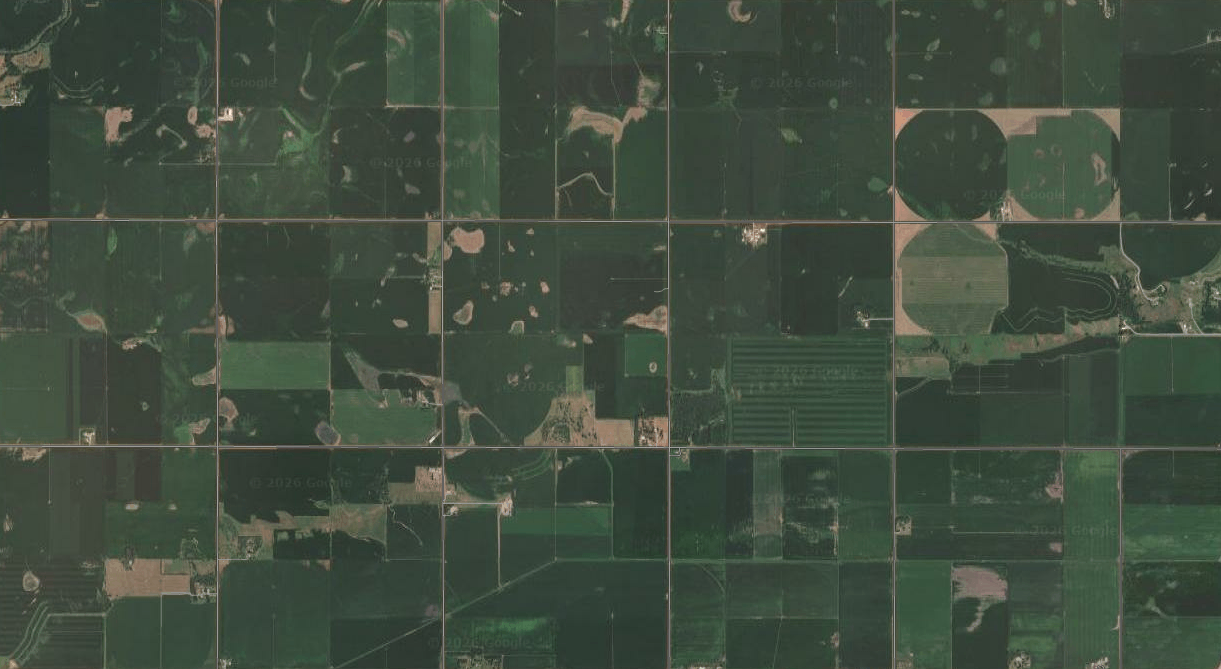
Since 2008, the USDA's National Agricultural Statistics Service (NASS) has incorporated NASA Landsat satellite data to track dozens of crops across the United States through its Cropland Data Layer program. This helps identify what types of crops are growing in different parts of the country. Additionally, NASS uses instruments on NASA's Aqua and Terra satellites to check daily plant health, growth stages, and other signs that help predict overall crop yields. Watch NASA Satellites Keep Watch on U.S. Food Supply to learn about this collaboration. (1)
Providing Data to Support Decision Making
In addition to NASA data being used for crop data, NASA's satellites and computer models have helped people make better decisions about agriculture, track droughts and floods, and check soil and plant health. NASA works closely with farmers, ranchers, and local communities to turn Earth data into useful tools and maps. This support helps with important tasks like managing water for irrigation, monitoring water quality, preparing for droughts, and warning against famines. Watch NASA and Agriculture: From Seeds to Satellites to learn more about this. (1)
Using My NASA Data's Historical Agriculture Data
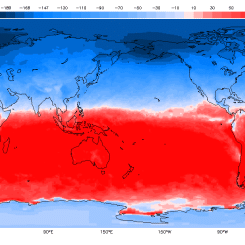
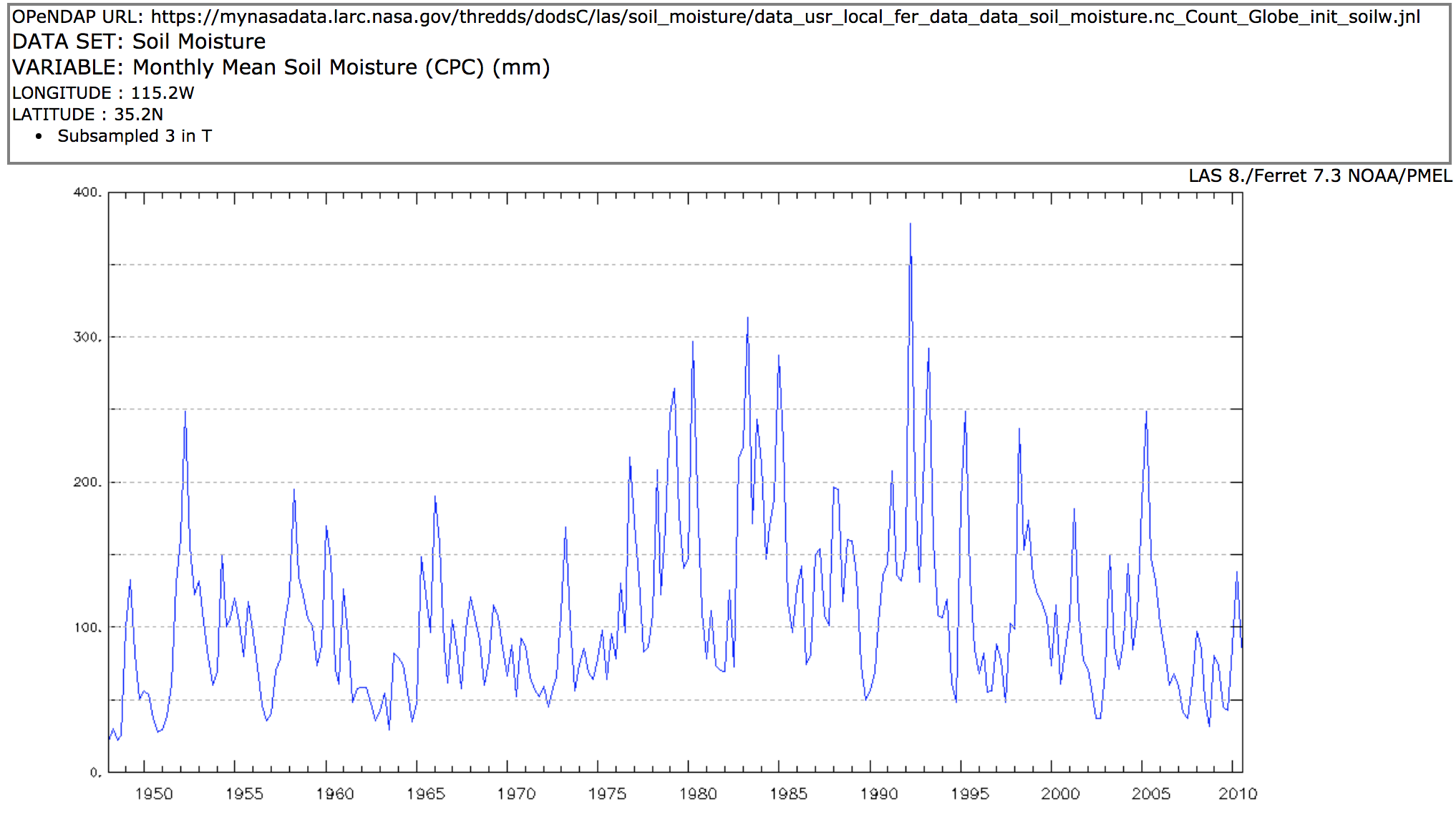
While real-time data is essential for day-to-day farming choices, exploring archived data can be just as valuable for building long-term skills. The Earth System Data Explorer monthly datasets are not updated in real time, so they cannot be used to make immediate operational decisions. However, they offer a great way to learn how to analyze and interpret Earth science data without the pressure of live conditions. By practicing with these datasets, you can gain a deeper understanding of trends over time and develop the critical skills needed to use satellite data for future decision-making. The Earth System Data Explorer page provides more information on this powerful tool including links to tutorials.
There are over a dozen datasets in the Agriculture category in the Earth System Data Explorer. To find them, enter the Earth System Data Explorer and follow the steps below.
- Select the Biosphere on the left side.
- Select the Category Agriculture.
- Select a Dataset from the dropdown list that appears, and begin exploring the data.
Source:
- “Agriculture.” NASA Science, NASA, 8 July 2026, https://science.nasa.gov/earth/explore/agriculture/. Accessed 23 September 2026.
- NASA. “Explore Agriculture Production.” NASA Earthdata, NASA, 8 October 2026, https://www.earthdata.nasa.gov/topics/human-dimensions/agriculture-prod…. Accessed 13 October 2026.
- NASA. “Agriculture.” NASA Science, NASA, 2 September 2026, https://science.nasa.gov/earth-science/earth-action/agriculture/. Accessed 13 October 2026.