



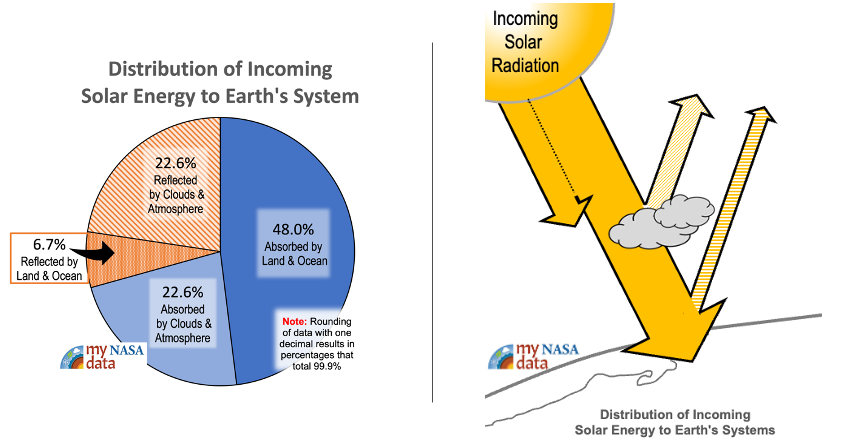

A kinesthetic activity that challenges students to participate in a model that describes the fate of solar energy as it enters the Earth system. A good initial lesson for Earth’s energy budget, students unravel the benefits and limitations of their model.
List of all Atmosphere Lesson Plans
Students will examine how radiation, conduction, and convection work together as a part of Earth’s Energy Budget to heat the atmosphere.
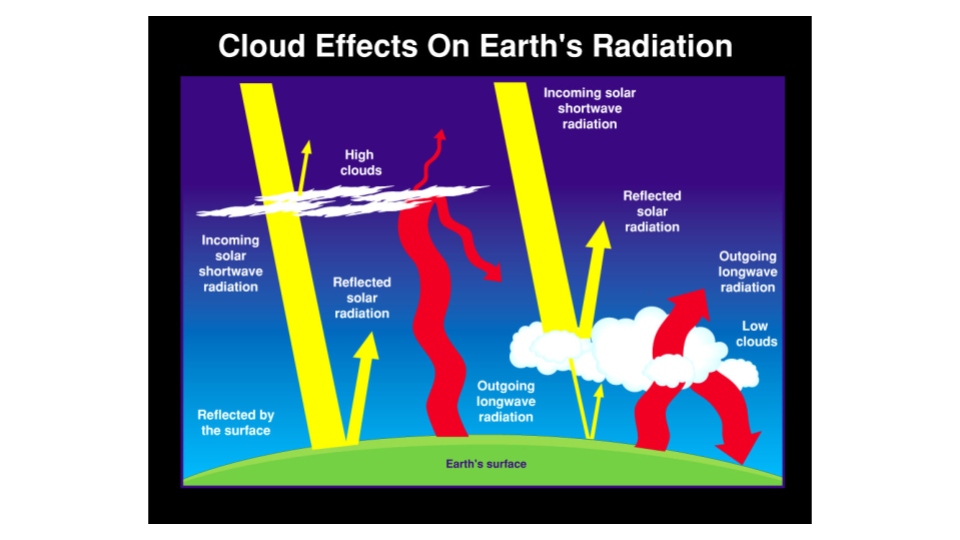
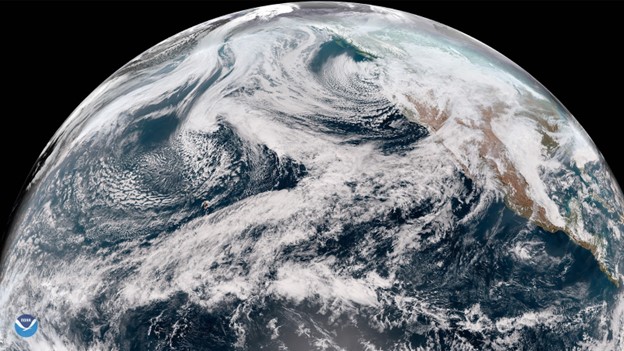
Students will investigate the role of clouds and their contribution (if any) to global warming. Working in cooperative groups, students will make a claim about the future role clouds will play in Earth’s Energy Budget if temperatures continue to increase.
In this 5Es lesson, students will uncover how changes in global air quality have impacted human health in cities between 2000 and 2019.
Students visit a NASA Website called "Eyes on the Earth" to view satellite missions in 3D circling the Earth and learn to navigate to specific satellites to learn about their capability of analyzing our changing planet and air quality.
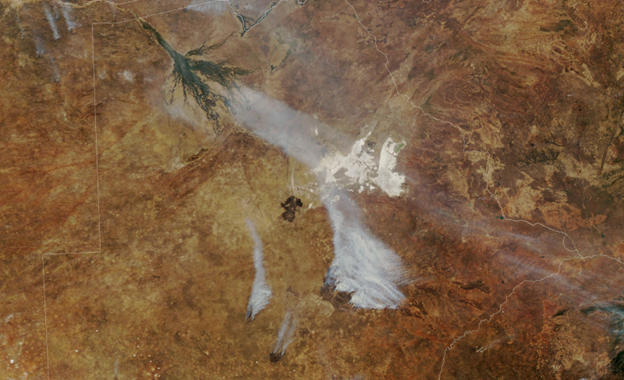
Students watch videos and/or review articles related to particulate matter and how this pollutant is monitored and measured, then provide their understanding individually or in groups.
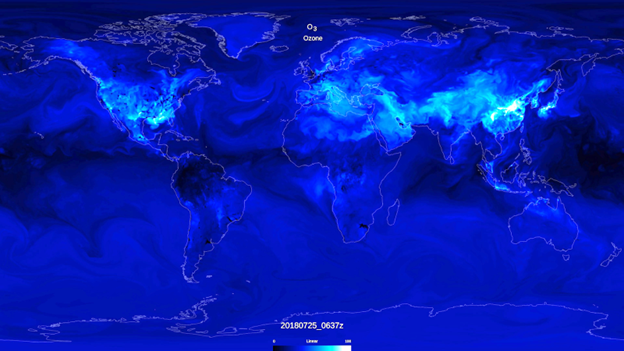
Students watch videos and review articles related to ozone as a pollutant at ground level, and how ozone impacts environment, then provide their understanding in groups.
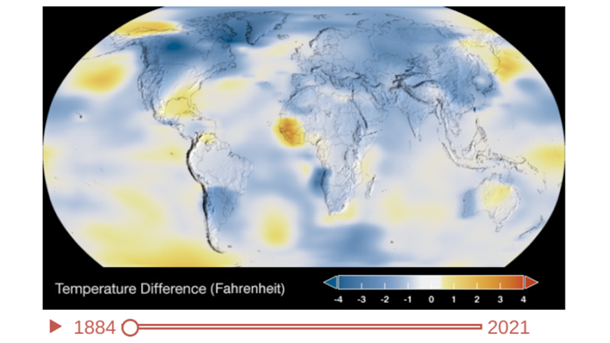
Students will watch and examine a NASA animation of Earth’s rising surface temperatures over an almost 150 year period.
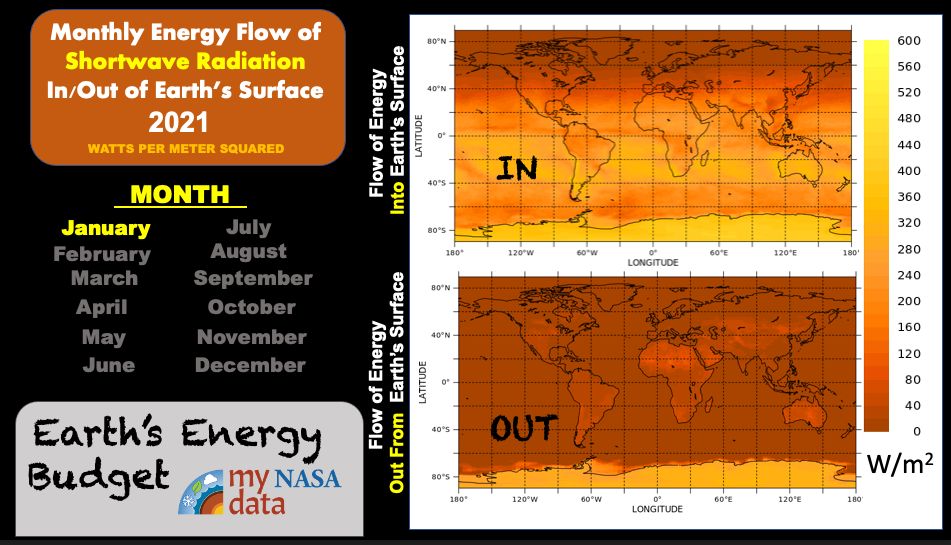
Students construct explanations about Earth’s energy budget by connecting a model with observations from side-by-side animations of the monthly mapped data showing incoming and outgoing shortwave radiation from Earth’s surface.
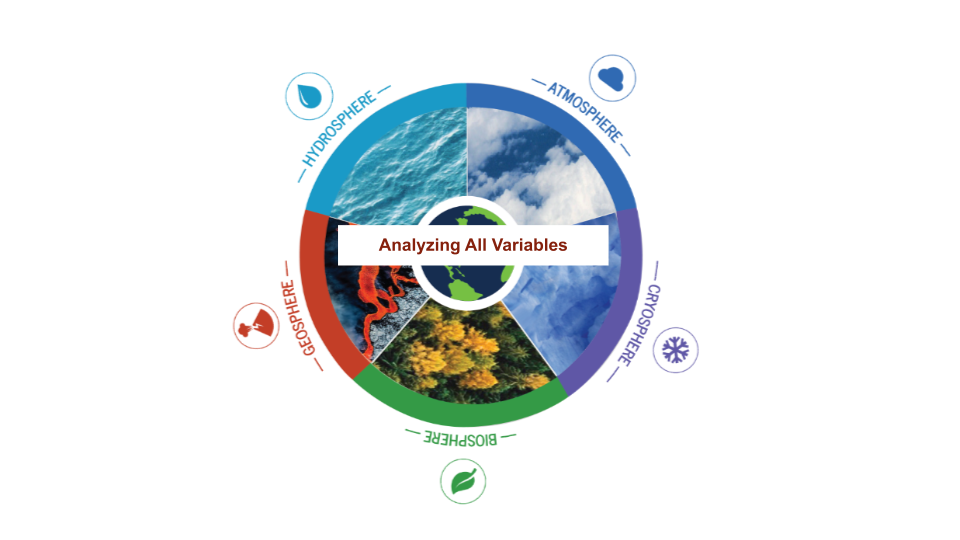
The Earth System Satellite Images, help the learner visualize how different Earth system variables change over time, establish cause and effect relationships for a specific variable, identify patterns, and determine relationships among variables over one year.