




This activity was developed by NASA's Global Precipitation Measurement (GPM) team as an introductory experience to a series of lessons about water resources on Earth.
List of all Earth as a System Lesson Plans
This lesson is taken from NASA's Phytopia: Discovery of the Marine Ecosystem written in partnership with Bigelow Laboratory for Ocean Science with funding from the National Science Foundation.
In this lesson, students investigate and identify various phytoplankton using images that were previously taken with a compound microscope. Credit: This lesson is modified from a lesson of the same name created by The Center for Microbial Oceanography: Research and Education 
Students use Phytopia: Exploration of the Marine Ecosystem, a computer-based tool, to investigate various phytoplankton species and topics relating to phytoplankton biology.
Students collect and analyze temperature data to explore what governs how much energy is reflected.
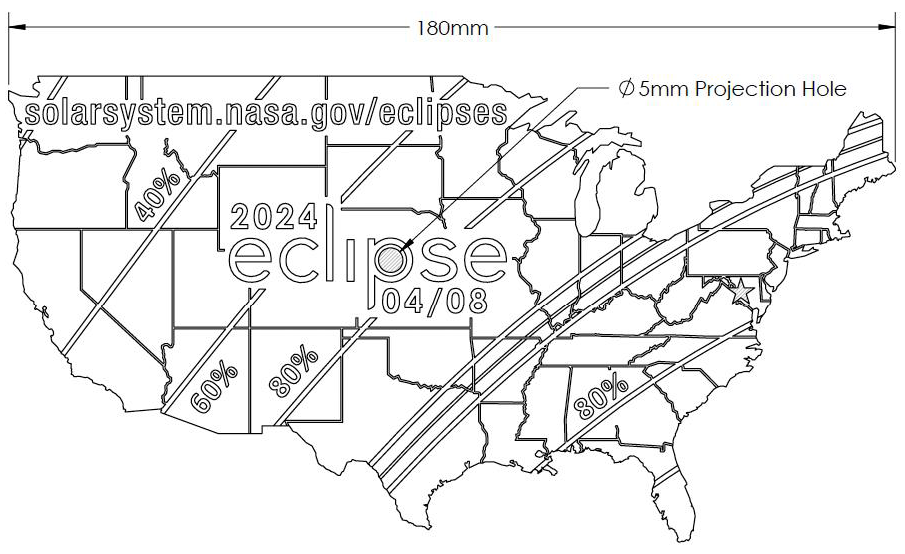
In this activity students will learn several ways to safely observe a solar eclipse.
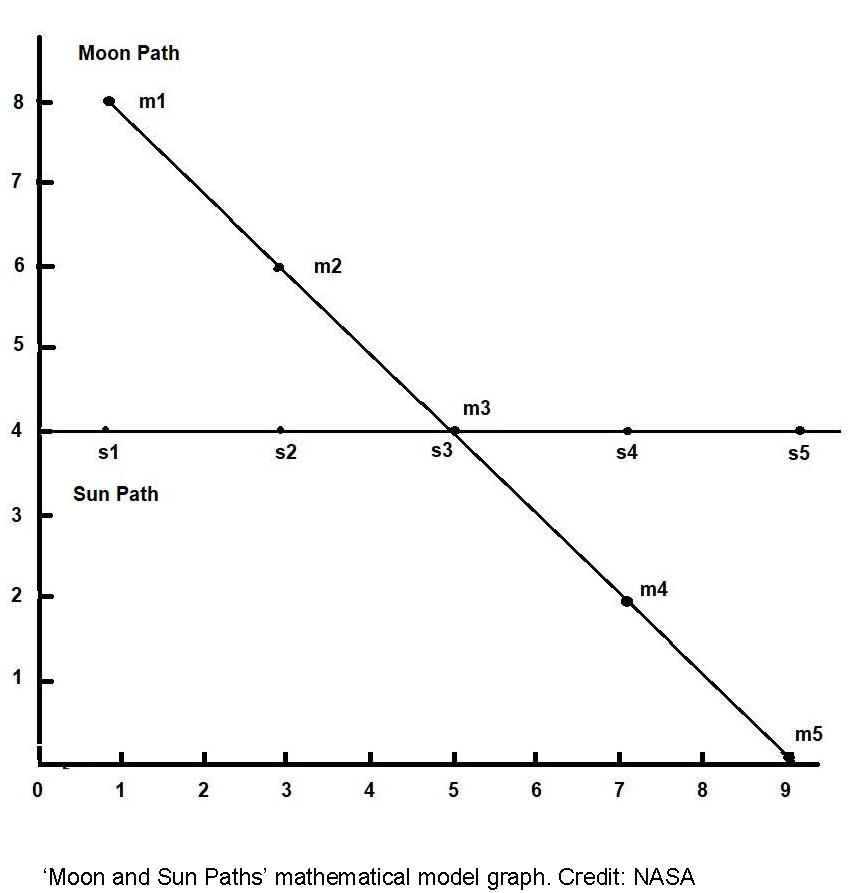
In this activity, students will model the geometry of solar eclipses using quarters to represent the Sun and Moon (not to scale).
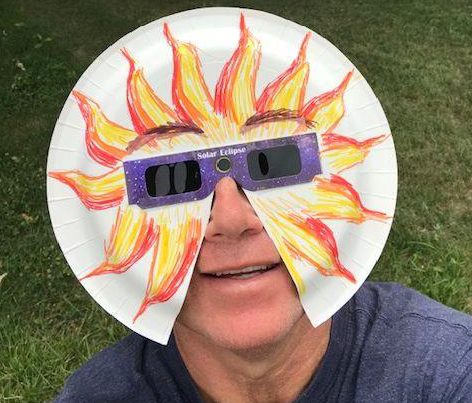
This hands-on activity is the construction of an extended coverage area of eclipse glasses to provide extra protection for safely viewing a solar eclipse. This makes it harder to look outside the lenses on the eclipse glasses.
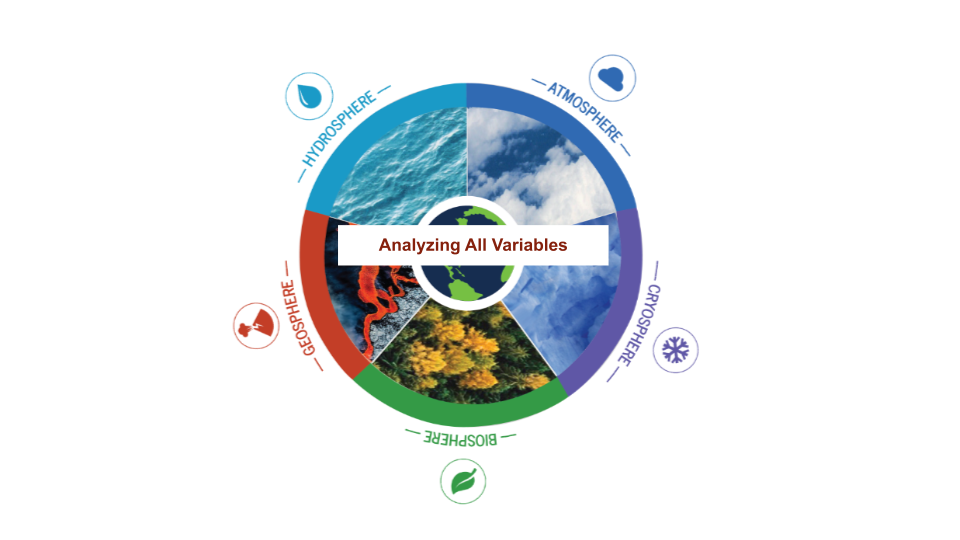
The Earth System Satellite Images, help the learner visualize how different Earth system variables change over time, establish cause and effect relationships for a specific variable, identify patterns, and determine relationships among variables over one year.
The Earth System Satellite Images, along with the Data Literacy Cubes, helps the learner identify patterns in a specific image.